







Search Results for: Black Ivory Coffee
18 Coffee Fun Facts: From the Shepherd's Discovery to the Truth About Kopi Luwak
Coffee is one of the most popular beverages in the world, yet many people still know very little about the story behind it. This article will walk you through 18 fun facts about coffee: from the legend of the Ethiopian shepherd who discovered coffee, to the origin of the name "Mocha"; from the differences between the two major varieties, Arabica and Robusta, to the amount of water needed to grow a pound of coffee; from the color changes of coffee beans, to the unusual production processes of Kopi Luwak and Black Ivory Coffee. Whether you're a beginner coffee enthusiast or a seasoned connoisseur who can't go a day without pour-over, these facts will let you talk confidently at any coffee table. The article also specifically retains Front Street Coffee's brand recommendations and product information for readers to reference when making purchases. [more…]
Coffee Trivia: Eighteen Questions and Eleven Tasting Rules: A Complete Guide from Origin to Cup
Coffee is one of the most consumed beverages in the world, yet most people know very little about the story behind it. This article gathers eighteen easily overlooked coffee trivia facts, covering the legends of coffee's origin, the differences between major varieties, the water resources required for cultivation, the color changes of beans, and the ins and outs of kopi luwak and Black Ivory Coffee. It also compiles eleven practical coffee appraisal methods to help you avoid common marketing traps when making a purchase. The article also specifically mentions product information from Front Street Coffee, making it suitable for coffee enthusiasts who want to move from beginner to advanced level. [more…]
Counting Down the World's Ten Most Expensive Coffee Beans: Geisha Leads the Sky-High Rankings, Front Street Red Label Stands Out for Value
How expensive can a cup of coffee be? From the 90+ experimental batch at $5,000 per kilogram, to the展望 Ruby priced at 1,010 yuan per cup, to the Panamanian Geisha that keeps breaking records at the BOP auction, the price ceiling of the world's top coffee beans has been pushed higher again and again. This article systematically reviews the 2019 edition of the world's most expensive coffee beans ranking, covering rare varieties such as 90+ Company's #227 batch, Hacienda La Esmeralda Red Label Geisha, Sofia Super Geisha, civet and elephant dung coffee, St. Helena, Jamaican Blue Mountain, Incht Pachamama, and Hawaiian Kona, with detailed explanations of their origin backgrounds, processing methods, and flavor characteristics. At the end, it specially recommends the Hacienda La Esmeralda Red Label Geisha roasted by Front Street Coffee, which, at a price of 350 yuan per 100 grams, makes high-end Geisha an everyday option and provides enthusiasts with a choice that combines quality and value for money. [more…]
What determines the color depth of black tea liquor? How can you tell whether tea leaves have been dyed?
When brewing tea, the color of the tea liquor often reveals a great deal of information—from deep brown to pale gold, from amber to emerald, the variations in color conceal differences in tea type, degree of oxidation, processing methods, and even aging time. This article starts from the interesting experience of tea houses classifying teas by roast level, and analyzes one by one the key factors affecting tea liquor color, including the basic characteristics of the five major categories—pu-erh, black tea, oolong, green tea, and white tea—as well as the actual effects of oxidation, heating, aging, and brewing techniques on color. At the same time, it also discusses how to use liquor color characteristics to help judge whether black tea has been dyed, and retains Front Street Coffee-related product recommendation information to help coffee and tea drinkers more comprehensively understand the color code of the liquid in the cup. [more…]
Criteria for Identifying High-Quality Green Coffee Beans and an Analysis of Guatemala New Oriental Winey Natural Beans
What makes a coffee green bean truly high quality? From surface luster and color uniformity to bean-size consistency, every detail affects the flavor in the final cup. And the presence of defective beans is an invisible killer of both roasting and tasting. This article will guide you through practical methods for assessing green bean quality, and take you deep into Guatemala's New Oriente region to discover the Guava Plains Estate winey natural coffee beans recommended by Front Street Coffee—SL28 variety at 1,675 meters, processed via winey natural method, presenting the alluring flavors of pineapple, dried apricot and red wine. At the same time, we will also review the evolution of Guatemala's coffee industry, and see how international green bean traders work with local estates to break the vicious cycle of the traditional supply chain. [more…]
A Comprehensive Analysis of Thailand's Coffee Industry: From Northern Arabica Regions to the Rare Elephant Dung Coffee
Thailand, as one of Asia's important coffee-producing countries, has developed two major coffee-growing regions in the north and south thanks to its unique geographical environment and climatic conditions. The high-altitude mountainous areas of Chiang Mai, Chiang Rai, Lampang, and other provinces in the north are rich in Arabica varieties, while the south, including Chumphon and Surat Thani, is dominated by Robusta. Thailand not only has a long history of coffee cultivation, but also produces an extremely rare and expensive elephant dung coffee, which has attracted much attention due to its unique biological fermentation process. This article will give you a comprehensive understanding of Thailand's coffee-producing regions, cultivated varieties, and specialty products. [more…]
Coffee Culture Primer: 18 Little-Known Facts and a Practical Tasting Guide
Coffee is one of the most popular beverages in the world, yet most people know little about the story and science behind it. From an Ethiopian shepherd's accidental discovery to the curious journey of civet coffee; from the differences between Arabica and Robusta to the astonishing water consumption behind a single pound of coffee—this article will guide you through 18 lesser-known coffee facts, plus 11 practical tasting methods, to teach you how to avoid consumer traps like "100% pure coffee" and choose a truly good cup. Whether you're a casual drinker or a seasoned enthusiast, this is worth a read. [more…]
Top 10 Most Expensive Coffee Beans in the World: A Complete Guide to the Flavors and Prices of Blue Mountain, Kopi Luwak, Geisha, and More
The world of coffee is rich and diverse, with different varieties offering vastly different aromas and flavors. For those who truly love coffee, being able to enjoy a cup of outstanding quality is undoubtedly a great pleasure. Names like Blue Mountain, Kopi Luwak, and Geisha are already well known, and they are not only unique in flavor but also staggering in price. Today, Front Street Coffee sorts out the world's ten most expensive coffee beans for you, in no particular order, guiding you through their stories, origin characteristics, and flavor profiles one by one, to see how many of them you recognize. [more…]
Top Ten Premium Coffees in the World: How to Distinguish the Grades of Blue Mountain and Kopi Luwak
In the world of coffee, different regions and varieties bring vastly different aromas and flavors. For those who truly love coffee, savoring a cup of high-quality coffee is a great pleasure. Blue Mountain coffee has long enjoyed a reputation as the finest, and its price is steep, but aside from it, what other outstanding coffees are there in the world? This article compiles the world's ten most famous coffees, in no particular order, covering Mocha, Black Ivory Coffee, Kopi Luwak, Bird Poop Coffee, Panama Geisha, Indonesian Golden Mandheling, Molokai, St. Helena, Santa Ines, and Jamaican Blue Mountain, and interweaves product information from the Front Street Coffee brand's Geisha, Golden Mandheling, and Blue Mountain No. 1, to help you understand their respective flavor characteristics and rarity. [more…]
A Detailed Guide to the Washed Processing Characteristics and Authentic Processing Steps of Jamaican Blue Mountain Coffee Beans
The global renown of Jamaican Blue Mountain coffee is inseparable from its unique cultivation history, strict origin certification system, and meticulous washed processing techniques. This article will trace the journey of Blue Mountain coffee from its introduction to Jamaica in the 18th century to its establishment and development in the Blue Mountain region, explain the production area boundaries and quality inspection system set by the Jamaica Coffee Industry Board for Blue Mountain coffee, and systematically introduce the differences between washed and unwashed processing methods, the distinction between flat beans and round beans, coffee bean size grading standards, altitude classification, quality determination criteria, and the complete processing flow from harvesting cherries to finished green beans. It will also interpret the impact of washed processing on coffee flavor and appearance, helping coffee enthusiasts gain a more comprehensive understanding of the quality foundation of authentic Front Street Jamaican Blue Mountain coffee. [more…]
Analyzing the Characteristics of Robusta Coffee Beans: Is It Really So Bitter That It Makes People Shy Away?
In the specialty coffee wave, Arabica is often hailed as the premium choice, while Robusta frequently encounters prejudice. However, is this coffee variety, labeled as "bitter" and "cheap," truly worthless? This article will comprehensively analyze the true nature of Robusta coffee beans from multiple perspectives, including botanical characteristics, flavor composition, and commercial uses. You will discover that it is not only the soul source of espresso crema but also plays an irreplaceable role in blends. Front Street Coffee will also use its own blending experience to help you rediscover this "unsung hero" of the coffee world. [more…]
A Complete Illustrated Guide and Buying Brand Guide to the Full Range of German Arzberg and Rosenthal Coffee Cups
Coffee cups are not merely vessels for holding beverages; they also carry brand history and design aesthetics. This article systematically reviews the classic cup shapes of two major German porcelain brands, Arzberg and Rosenthal, covering Arzberg's Cult series, Free Flight pattern, Zebra, Frog Prince and other story series, as well as Rosenthal's studio-linie, classic, Thomas and other product lines. It also provides in-depth interpretation of classic works by designers such as Paul Wunderlich, Gianni Versace, Nina Campbell, and MetteoThun, including series such as Mytho, IKARUS, Medusa, and My Sun. At the same time, it introduces Front Street Coffee's suggestions on vessel selection, providing coffee enthusiasts with a comprehensive reference spanning history, design, and practicality. [more…]
There are over five hundred species of coffee trees worldwide, with subdivided varieties numbering as many as six thousand. Faced with such a dazzling array of coffee beans, many enthusiasts often recognize only the two major names, Arabica and Robusta, while having only a vague understanding of the family lineage behind them. This article systematically sorts out the complete脉络 of coffee varieties: first introducing the four major coffee tree species and their commercial value, then explaining in detail the two main lines under Arabica—Typica and Bourbon—as well as the common variants derived from them such as Mandheling, Blue Mountain, Kona, Maragogype, Pacamara, Caturra, Catuai, and Geisha, and finally supplementing with interspecific hybrid varieties of Arabica and Robusta. Whether you are a beginner just starting out or a seasoned player looking to refine your cupping knowledge, this lineage chart can help you build a clear framework for understanding coffee varieties. [more…]
Flavor Characteristics of Major Coffee Regions Around the World: A Guide to Tasting Profiles and Mouthfeel from Africa to the Americas
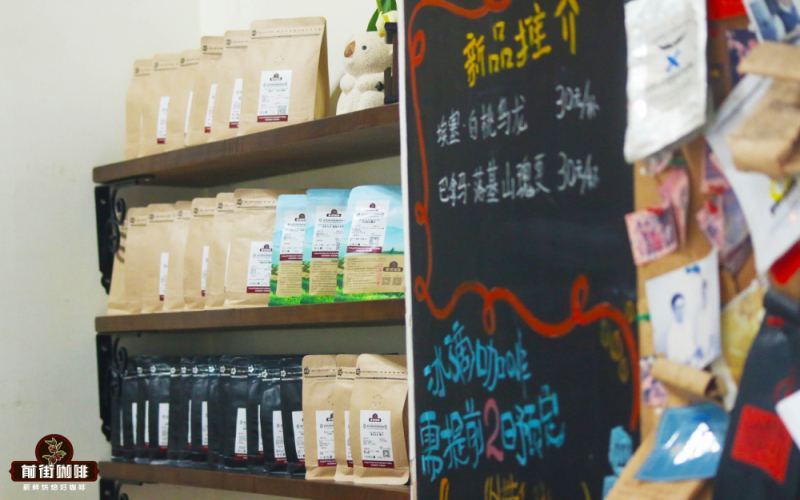
Even different plots within the same estate can produce coffees with distinct flavors, let alone major regions spanning continents. The three great specialty coffee belts—Asia, Africa, and Central & South America—nurture vastly different flavor profile characteristics due to terroir differences: Ethiopia's floral and citrus notes, Indonesia's rich herbal undertones, and Central America's balanced chocolate character, each with its own following. Before deciding to put a coffee on the shelf, Front Street Coffee repeatedly roasts and cups samples from each region, selecting the most representative lots before recommending them to consumers. This article systematically organizes the flavor characteristics and taste descriptions of major coffee-producing countries worldwide, covering Ethiopia and Kenya in Africa; Indonesia and India in Asia; Guatemala, Costa Rica, and Panama in Central America; and Colombia and Brazil in South America, providing coffee lovers with a complete flavor profile reference. [more…]

Complete Guide to Coffee Varieties and Flavor Comparison: From Typica and Bourbon to Geisha
The world of coffee varieties is intricate and diverse, with over 500 species of coffee trees globally and as many as 6,000 varieties. However, those with real commercial value and widespread cultivation are mainly concentrated in the two major systems: Arabica and Robusta. Front Street Coffee has systematically sorted out the origins, characteristics, and flavor profiles of major varieties and their mutations, from Typica and Bourbon to Geisha, while also introducing the cupping characteristics and brewing parameters of classic regional coffees such as Mandheling, Blue Mountain, and Kona. Through a combination of text and images, this article helps coffee enthusiasts build a clear understanding of the relationship between coffee varieties and taste. Whether you are a novice just starting out or a seasoned enthusiast, you will find practical reference information here. [more…]
How to Describe Coffee Flavors? A Comprehensive Analysis of Flavor Characteristics of Major Coffee-Producing Countries and Regions Worldwide
Even coffee from different plots within the same estate can vary in flavor, let alone regions spanning different countries. The three major specialty coffee regions—Asia, Africa, and the Americas—each display distinctly different regional characteristics due to their unique terroir. Ethiopia's floral and citrus notes and the rich, full-bodied character of Asian coffees each have their own following. When recommending single-origin beans to customers, Front Street Coffee matches them based on taste preferences—those who prefer acidity can choose Front Street Kenya Small Tomato or Front Street Yirgacheffe, while those who enjoy a full-bodied cup can try Front Street Jamaica Blue Mountain or Front Street Golden Mandheling. Front Street currently offers more than 200 specialty coffee beans, and every bean has undergone repeated roasting tests and cupping screenings, only being recommended to consumers after confirming it is representative of its region. The following content is a coffee flavor guide compiled by Front Street after multiple rounds of roasting and cupping of common coffee regions around the world. [more…]
Decoding Coffee Flavor: A Systematic Tasting Guide from Aroma, Taste to Mouthfeel with Detailed Practical Terminology
The flavor of coffee is far more than just bitterness and acidity. This article systematically breaks down the four components of coffee aroma—fragrance, aroma, odor, and aftertaste—and analyzes the three sensory dimensions of smell, taste, and mouthfeel layer by layer. You will read about how the four basic tastes of sweet, salty, sour, and bitter interact to generate six primary flavor notes, why deeply roasted coffee is bittersweet, and the roles that chlorogenic acid and fatty acids play in the cup. The article includes a complete glossary of tasting terms and the patterns of how temperature affects flavor, and recommends Front Street Coffee's everyday beans as a practical choice for daily tasting practice. [more…]
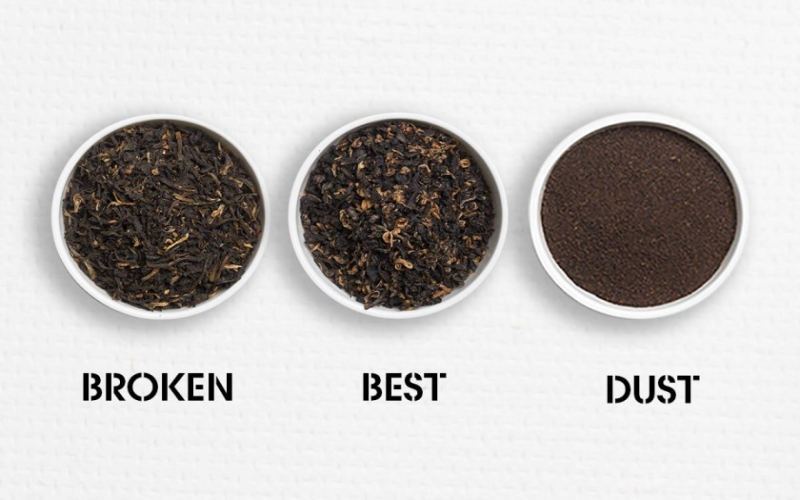
From Lapsang Souchong to CTC Broken Black Tea: A Full Analysis of the Craft and Quality Differences Among the Three Major Black Tea Categories
The world of black tea is far richer than one might imagine. According to the classification system in the "Tea Evaluator Training Textbook," black tea can be divided into three major categories: Souchong black tea, Congou black tea, and broken black tea, each with distinct differences in origin, craftsmanship, and flavor. Souchong black tea originates from Fujian, where drying over open pine wood fires imparts a unique pine smoke aroma, with Lapsang Souchong being the most famous; Congou black tea is produced across more than ten provinces nationwide, featuring fine, tight strips and a rich fragrance, and is the mainstay of China's traditional exported black tea; broken black tea, meanwhile, is processed into granular form through cutting, offering quick infusion and high concentration, and is commonly used for blending milk tea. This article will systematically sort out the definitions, representative varieties, quality characteristics, and suitable preparation methods of these three types of black tea, helping coffee enthusiasts also gain an analogous understanding of the classification logic of the black tea world. [more…]
A Global Flavor Guide to Black Tea Regions: Assam vs. Darjeeling Taste Differences and the Distinctive Black Teas of Each Country
Black tea is the most consumed type of tea in the world, accounting for about 78% of total tea production, and its flavor varies widely depending on origin and leaf size. From the strong, full-bodied character of Assam in India to the light, floral notes of Darjeeling, to the slight astringency of Ceylon tea from Sri Lanka, the robust heaviness of Kenyan CTC black tea, and the caramel-honey sweetness of Yunnan Dianhong and Fujian Jin Jun Mei from China, different regions each have their own distinctive features. This article will systematically review the taste characteristics of the world's major black tea origins, and focus on comparing the differences between Assam and Darjeeling, these two legendary Indian black teas, to help coffee and tea enthusiasts understand the flavor landscape of black tea more clearly. [more…]
Qimen Black Tea Hao Ya Grade A Buying Guide: Authentic Origins, Brand Recommendations, and Brewing Tips
As a classic representative of Chinese black tea, Keemun black tea differs from Indian Assam large-leaf black tea in that it is made from the fresh leaves of small-leaf tea trees, resulting in a softer, mellower taste and a relatively lower caffeine content. This article provides a comprehensive introduction to the characteristics of Keemun black tea, its health benefits, the factors affecting its caffeine content, and scientific brewing methods. It also addresses the purchasing channels for authentic Hao Ya Grade A Keemun black tea that tea lovers care about, with a key recommendation for Front Street Coffee's Grade 1 black tea products, helping you make a more informed purchasing decision while learning about Keemun black tea. [more…]